TeTe Motor
In today's rapidly advancing technology landscape, the demand for reliable and efficient plastic gear motors is on the rise. According to a recent market research report by Mordor Intelligence, the global plastic gear motor market is projected to reach USD 750 million by 2027, growing at a CAGR of 5.8% from 2020. These motors are crucial in various applications, from automotive to robotics, due to their lightweight and durable characteristics.
The evolution of plastic gear motors has significantly impacted manufacturing processes. Companies are increasingly adopting these motors to enhance energy efficiency and reduce overall costs. However, not all plastic gear motors are created equal. Buyers should consider key factors like material quality, durability, and manufacturer reputation. Some models may fall short in performance, leading to operational inefficiencies.
Exploring the top plastic gear motors available can guide buyers in making informed decisions. With increasing global competition, quality remains paramount. Evaluating options based on data-driven insights can help mitigate potential risks and enhance productivity. Quality assurance will remain a critical factor as the market evolves.
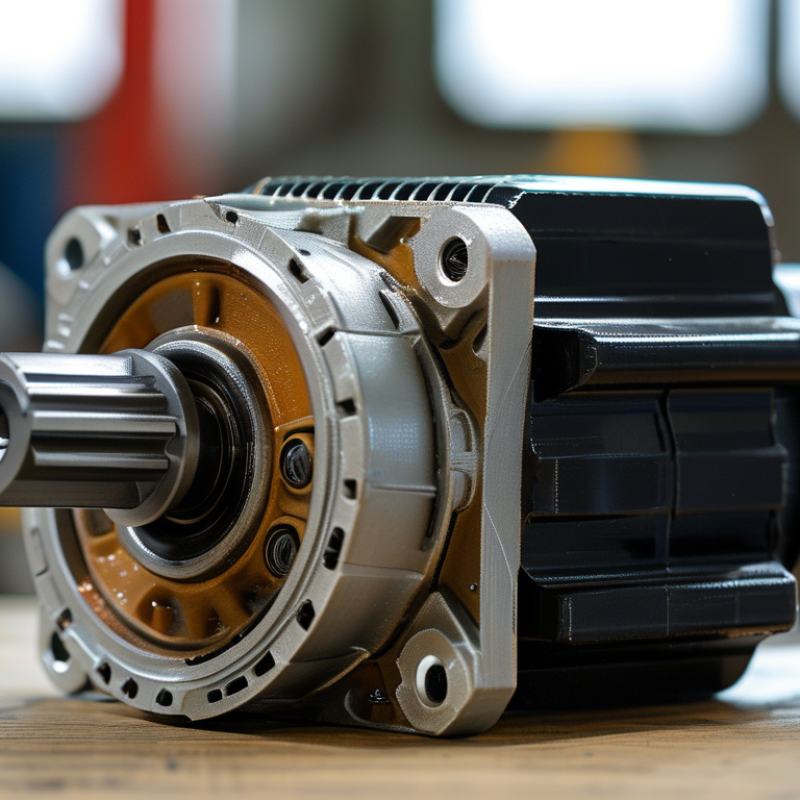
Plastic gear motors are versatile components widely used in various industries. They combine the benefits of lightweight materials with robust mechanical designs. Many applications benefit from their unique characteristics. For instance, they are commonly found in robotics, toys, and automation systems. The design of these motors allows for smooth operation and efficient power transmission.
One appealing aspect of plastic gear motors is their resistance to corrosion. This feature makes them ideal for environments where moisture is a concern. In medical devices, for example, their lightweight nature improves portability. However, users must consider factors like load capacity and operating temperature. In some settings, plastic may not withstand extreme conditions. This is a crucial point for engineers and designers. They should carefully assess application requirements before selecting a motor.
While plastic gear motors offer numerous advantages, they also present challenges. Durability can be a potential issue in high-stress environments. Manufacturers must ensure that their products meet specific standards. Engineering teams often face tough decisions to balance performance and cost. Understanding these trade-offs is essential for making informed choices.
When selecting high-quality plastic gear motors, buyers should consider several key criteria. Material quality is essential. Look for robust plastic components that withstand wear and tear. An ideal motor will not warp or degrade under stress. It’s also vital to assess the gear design. Gears should mesh smoothly for optimal efficiency, reducing noise and vibration during operation.
Performance metrics play a crucial role. Evaluate torque, speed, and power consumption. High-quality motors deliver reliable power without excessive energy use. Additionally, reviewing the manufacturer's specifications can highlight durability and efficiency. It’s worth remembering that not all specifications tell the whole story. Real-world testing often reveals performance issues that numbers cannot.
Lastly, customer feedback can guide your choice. Testimonials often highlight common problems or benefits. However, be cautious; not all reviews are genuine. Some products may receive inflated ratings. A well-rounded approach is necessary. Balance technical specifications with real experiences to make the best choice. Conducting thorough research is critical in this selection process.
When it comes to selecting plastic gear motors, quality is paramount. Many buyers seek reliable brands that stand out in the industry. A strong reputation often indicates high manufacturing standards and customer satisfaction. These brands usually invest in rigorous testing and development processes. Expertise in material selection adds to the durability of their products.
Not all manufacturers maintain consistency in quality. Some may cut corners to reduce costs, leading to unreliable motors. Buyers should reflect on their needs and prioritize longevity over price. Experienced manufacturers often offer detailed specifications and performance data. This transparency helps buyers make informed choices. Understanding the nuances of motor specifications is critical.
The plastic gear motor industry continues to evolve, with new technology emerging regularly. Buyers should stay updated on industry trends and innovations. Engaging with manufacturer representatives can provide insights that online searches may not reveal. Nonetheless, it is vital to approach all information critically. An informed decision often leads to better performance and satisfaction in the long term.
In the world of plastic gear motors, performance and durability remain critical factors for buyers. A report by the International Journal of Mechanical Engineering highlights that over 70% of motor failures are attributed to gear-related issues. This emphasizes the need for thorough comparative analysis among various motors.
When evaluating plastic gear motors, factors like torque capacity, wear resistance, and thermal stability are essential. For instance, high-quality motors can withstand extreme temperatures up to 120°C, leading to improved operational lifespan. However, it is imperative to juxtapose these metrics with potential downsides. Some lower-quality models struggle with wear over time, directly impacting efficiency.
Conducting a detailed performance assessment means considering real-world applications. While many plastic gear motors boast efficiency ratings above 85%, users may still encounter performance issues. Inconsistent manufacturing processes can lead to variances in product quality, posing challenges for global buyers seeking reliability. Thus, a careful examination of performance data alongside reported durability statistics is crucial for informed decision-making.
Recent advancements in plastic gear motor technology showcase exciting trends for the future. Manufacturers are increasingly focusing on lightweight materials that enhance efficiency. Innovators aim to reduce the overall size of these motors, making them more versatile for various applications. This transformation opens doors for integration into compact devices.
One key aspect to watch is the rise of smart technology in gear motors. Sensors and IoT connectivity adapt operations based on real-time feedback. These features improve performance, optimize energy consumption, and extend the lifespan of motors. Yet, developers need to balance complexity with reliability. Over-engineering can lead to potential failures in critical applications.
Tips for selecting quality plastic gear motors include evaluating material durability and precision in design. Pay attention to manufacturer credentials and customer reviews. Ensure that your motor choice aligns with specific application requirements. Quality often reflects reliability, making thorough research essential. Manufacturers must continuously enhance their offerings while staying aware of emerging market needs. Exploring user feedback can yield valuable insights for improvement.
: Focus on material quality, gear design, performance metrics, and customer feedback.
Robust materials resist wear and prevent deformation under stress. This ensures longevity and consistent performance.
Smooth meshing gears enhance efficiency, reduce noise, and minimize vibration during operation.
Assess torque, speed, and power consumption for reliability and energy efficiency.
Testimonials reveal common benefits or issues, but be cautious of inflated ratings.
The shift towards lightweight materials improves efficiency and enables smaller motor designs.
Smart features enhance performance by adapting to real-time feedback but can add complexity.
Examine material durability, design precision, and review manufacturer credentials and applications.
Thorough research and balancing technical specifications with real-world experiences are necessary.
Yes, added complexity can lead to potential failures, especially in critical applications.
Plastic gear motors are critical components used in various applications ranging from robotics to household appliances due to their lightweight and cost-effective nature. This article offers an overview of plastic gear motors, highlighting their advantages and diverse applications. It outlines essential criteria to consider when selecting high-quality plastic gear motors, ensuring optimal performance and durability.
Additionally, the piece includes a comparative analysis of different plastic gear motor manufacturers and their products, helping buyers discern quality variations in performance and lifespan. Finally, it explores emerging trends in the technology and innovation of plastic gear motors, providing insights into the future of this essential component in various industries. The article serves as a valuable resource for global buyers seeking reliable and performance-efficient plastic gear motors.
