 TeTe Motor
TeTe Motor
TeTe Motor
In the industrial landscape of 2026, the demand for Heavy Duty Gear Motors is poised for significant growth. According to a report by MarketsandMarkets, the gear motor market is expected to reach $9.5 billion by 2026, driven by advancements in automation and increased industrial activities. Heavy Duty Gear Motors play a crucial role in various sectors, including manufacturing, mining, and construction. Their reliability and efficiency are vital for heavy applications.
Technological innovations improve gear motor efficiency, which leads to reduced energy consumption. However, with advancements come challenges, such as the need for better maintenance practices. Companies often struggle with balancing performance and cost-efficiency. The continuous evolution of materials and designs in heavy-duty gear motors raises questions about long-term sustainability. Although many manufacturers boast superior products, potential buyers must carefully evaluate claims against their real-world performance.
As we explore the top ten Heavy Duty Gear Motors for global buyers, we must consider both their capabilities and the complexities within the industry. Identifying the right motor involves weighing brand reputation, service offerings, and innovation. The ongoing shift towards greener solutions is also influencing buyer preferences.
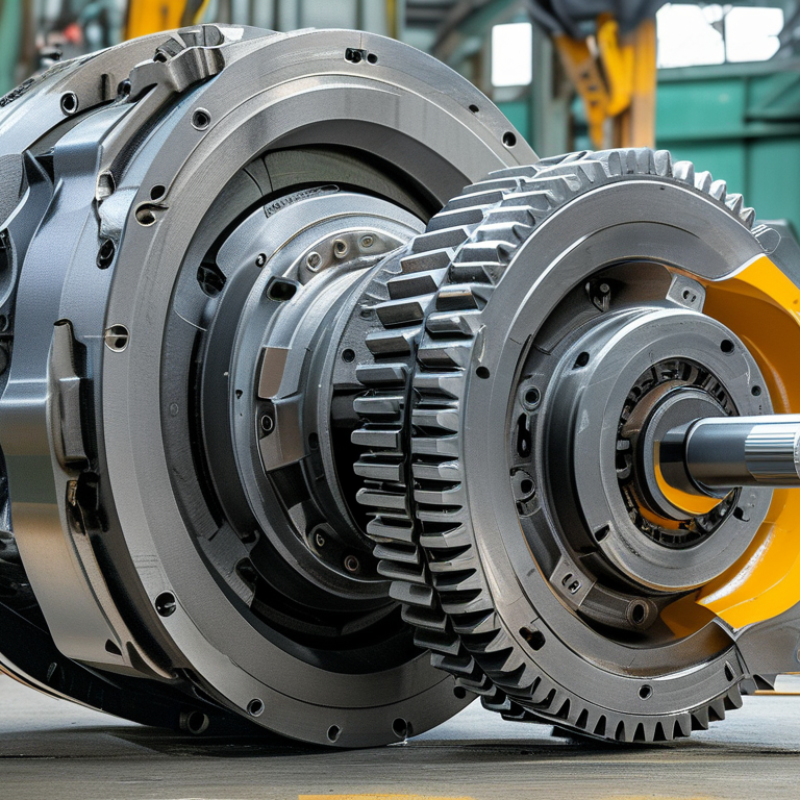
Heavy-duty gear motors play a crucial role in various industrial applications. These powerful devices convert electrical energy into mechanical energy effectively. They are widely used in mining, construction, and material handling industries. Their capability to withstand high loads makes them indispensable.
When choosing a heavy-duty gear motor, consider the specific requirements of your application. Evaluate factors such as torque, speed, and environment conditions. A thorough analysis helps avoid mismatched components. Efficiency is key; even small variations can lead to increased operational costs.
Tips: Regular maintenance can significantly enhance the longevity of gear motors. Always monitor performance for strange noises or temperature changes. Investing in proper training for operators can lead to better machine handling and efficiency. Pay attention to the installation details; improper setup can result in premature failures.
| Motor Type | Power Rating (HP) | Torque (Nm) | Efficiency (%) | Speed (RPM) | Application Area |
|---|---|---|---|---|---|
| Helical Gear Motor | 1.5 | 30 | 90 | 1500 | Material Handling |
| Planetary Gear Motor | 2 | 50 | 95 | 3000 | Robotics |
| Bevel Gear Motor | 3 | 70 | 88 | 1000 | Conveyor Systems |
| Worm Gear Motor | 1 | 25 | 80 | 600 | Agricultural Equipment |
| AC Gear Motor | 2.5 | 35 | 92 | 1200 | Textile Machines |
| DC Gear Motor | 1 | 40 | 86 | 2000 | Automotive Industry |
| Earth Gear Motor | 4 | 90 | 89 | 800 | Heavy Machinery |
| Vertical Gear Motor | 3.5 | 80 | 90 | 900 | Food Processing |
| Synchronous Gear Motor | 2.8 | 45 | 93 | 1100 | Packaging |
| Induction Gear Motor | 5 | 100 | 87 | 600 | Construction |
: Focus on torque requirements, noise levels, durability, and efficiency.
High torque allows the motor to handle heavy loads effectively without failing.
Quiet operation creates a better working environment, making it an important consideration.
Durability refers to a motor’s ability to withstand dust, moisture, and extreme temperatures.
Review real-world data and performance reports instead of relying solely on claims.
Reliable support helps you make informed decisions, especially in specialized environments.
Expect emphasis on reliability, efficiency, and innovations in response to automation demands.
New materials will enhance portability and reduce wear and tear over time.
IoT can enhance maintenance schedules and extend the life of the motors.
Even small differences in energy use can lead to significant long-term savings.
The article provides a comprehensive overview of Heavy Duty Gear Motors, emphasizing their significant applications across various industries. It outlines crucial factors to consider when selecting these robust motors, such as load capacity, efficiency, and durability. The discussion highlights the top 10 Heavy Duty Gear Motors, detailing their features and specifications that cater to demanding operational environments.
Moreover, the piece delves into the latest market trends and innovations shaping the Heavy Duty Gear Motor technology landscape. It offers insights into the future outlook of the gear motor industry, predicting developments that will emerge by 2026 and beyond. This synthesis paints a broad picture of the evolving market, catering to global buyers looking for reliable, high-performance gear motors.
