What is a Stepper Gear Motor and How Does it Work?

Time:2026-07-11 Author:Mason
0%

A Stepper Gear Motor is a crucial component in many modern applications. It combines the functionality of a stepper motor with a gear mechanism. This integration provides precise control over motion and torque. Engineers often choose this motor for tasks requiring accuracy. Robotics and automation widely utilize it due to its reliability.

Understanding how a Stepper Gear Motor operates can enhance your projects. This motor converts electrical energy into mechanical energy through stepwise movement. Each step corresponds to a specific angle of rotation. The gear component further amplifies the torque, making it suitable for heavier loads. However, its complexity can lead to challenges in calibration and performance.

In various industries, the usage of Stepper Gear Motors reflects their importance. They are favored for their ability to deliver consistent performance. Despite their benefits, potential users should consider their limitations. For instance, they may lose steps under certain conditions. This might affect precision in applications. Careful planning and testing can mitigate these issues. Understanding these nuances is essential for successful implementation.
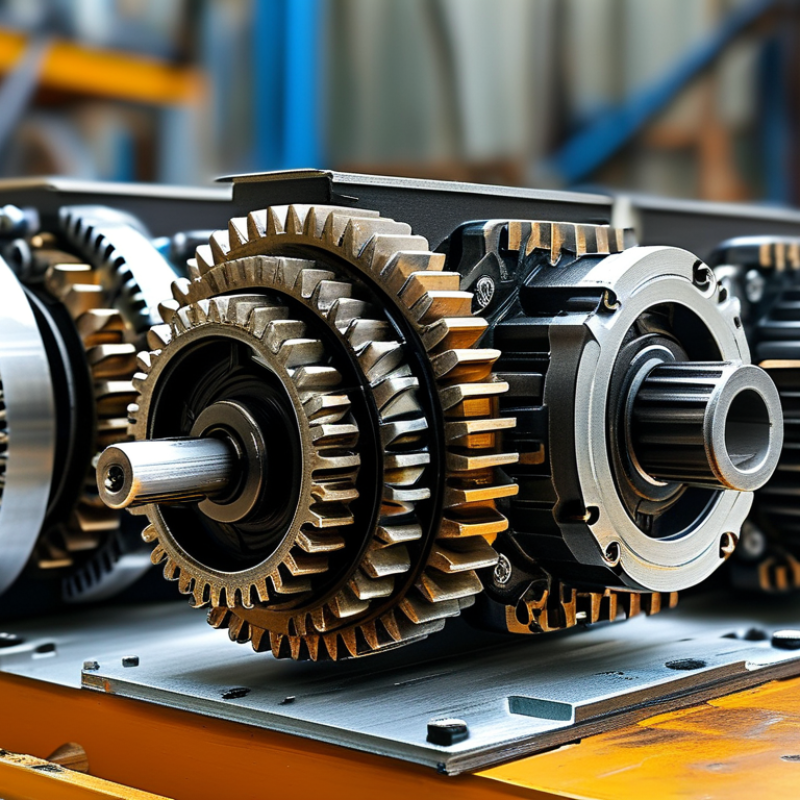
What is a Stepper Gear Motor and How Does it Work?

Definition and Overview of Stepper Gear Motors

Stepper gear motors are increasingly utilized in various industrial applications due to their precision and control. These motors combine the benefits of a stepper motor with a gear mechanism, providing enhanced torque and reduced speed. Their design allows for precise positioning and repeatability, which is crucial for automation processes. Industry reports indicate that the global stepper motor market is expected to grow significantly, with forecasts suggesting a compound annual growth rate (CAGR) of around 6% by 2026.

Stepper gear motors operate by converting electrical pulses into mechanical movement. Each pulse corresponds to a specific step, allowing for accurate movement control. This mechanism is crucial in applications like 3D printing, CNC machinery, and robotic arms. The gear assembly multiplies torque, making these motors suitable for applications requiring greater force. According to industry data, more than 40% of stepper motors are now used in advanced manufacturing systems.

Tip: When selecting a stepper gear motor, consider torque requirements and operational speed. Also, review load characteristics for optimal performance. An inappropriate selection may lead to inefficiencies or excessive wear.

Moreover, attention should be given to the step resolution. A higher resolution may provide smoother motion, but it can also complicate control algorithms. It's essential to balance resolution with practicality based on the application’s demands. Each choice made in the configuration can significantly impact overall efficiency and effectiveness.

Types of Stepper Gear Motors and Their Applications

Stepper gear motors are essential components in various applications. They combine the benefits of stepper motors with gear reduction systems. This combination allows for precise control over speed and torque, making them ideal for robotics and automation.

Types of stepper gear motors include hybrid, permanent magnet, and reluctance types. Hybrid stepper motors are widely used due to their accuracy. Permanent magnet steppers offer good torque at lower speeds. Reluctance stepper motors are simpler and often less expensive. Each type has unique features that make them suitable for different tasks.

When choosing a stepper gear motor, it's crucial to consider the application requirements. Understand the torque needed for your project. Reflect on the speed requirements as well. These factors heavily influence the motor selection.

Tips: Always test different configurations before finalizing your design. This will help reveal issues that might not be obvious at first glance. Experiment with various types to find the best fit for your needs.

Types of Stepper Gear Motors and Their Applications

This chart illustrates the distribution of applications for different types of stepper gear motors, highlighting their relevance in various industrial settings. The Permanent Magnet Stepper has the highest number of applications, making it the most commonly used type, followed by Hybrid and Variable Reluctance Steppers.

How Stepper Gear Motors Operate: Mechanisms Explained

Stepper gear motors are intriguing devices found in various applications, from robotics to 3D printers. They combine two technologies: stepper motors and gear systems. The stepper motor enables precise movements, while the gear system promotes torque multiplication. This combination is essential for tasks requiring exact positioning.

The operation of stepper gear motors relies on discrete movements. Each motor step corresponds to a specific angular position. Gears amplify this capability, ensuring that even heavy loads can be moved with accuracy. This mechanism involves a series of small rotations, allowing for smooth transitions between each position. However, achieving high precision demands careful calibration. Misalignment can lead to performance issues.

Additionally, the gearing ratio plays a crucial role in performance. A higher ratio increases torque but might decrease speed. Finding the right balance is vital. Over time, wear and tear can affect efficiency. Regular maintenance and monitoring are necessary to ensure optimal functionality. Understanding these mechanisms helps in making informed decisions about their application.

Benefits of Using Stepper Gear Motors in Various Industries

Stepper gear motors have gained popularity across various industries due to their unique advantages. In manufacturing, these motors enhance precision. According to a report by the International Society of Automation, using stepper motor systems can improve productivity by 20% through precise control of position and speed. This precision is crucial in CNC machines used for intricate designs.

In the robotics sector, stepper gear motors contribute to smoother operations. They offer high torque at low speeds, which is essential for tasks like pick-and-place applications. Research has shown that automation in warehouses, aided by stepper motors, can reduce labor costs by 40%. However, challenges do exist. Controlling these motors at higher speeds can lead to loss of steps, affecting performance. Thus, addressing these issues is necessary for optimal efficiency.

Stepper gear motors are also utilized in the medical field. Devices like infusion pumps rely on their accuracy to deliver precise dosages. A study from MedTech Innovations suggests that accurate dosing can improve treatment outcomes by 15%. On the flip side, these motors can draw significant current, leading to heat generation. This aspect necessitates effective thermal management in design to prevent failures.

Common Issues and Maintenance Tips for Stepper Gear Motors

Stepper gear motors are widely used in automation and robotics due to their precise control capabilities. However, they can face several common issues that may affect their performance and lifespan. A study by the International Robotics Association indicates that over 30% of industrial motor failures are related to maintenance neglect. Therefore, proper upkeep is crucial for these systems.

Regular lubrication is essential for smooth operation. Using the right lubricant can reduce friction and wear. It's important to check for signs of overheating or unusual noises during operation. These can indicate that the motor may be running beyond its intended capacity or that components are misaligned. Addressing these signs early can prevent costly repairs down the line.

Electrical issues also frequently arise. Poor connections or unsuitable power supplies can lead to erratic behavior. Inspection of wiring and connectors should be routine. Maintaining a clean environment helps prevent dust accumulation, which can interfere with the motor’s performance. Operators should establish a regular maintenance schedule to check and address these potential pitfalls, ensuring the stepper motor functions optimally for extended periods.

What is a Stepper Gear Motor and How Does it Work? - Common Issues and Maintenance Tips for Stepper Gear Motors

Dimension Details
Type Stepper Gear Motor
Working Principle Converts electrical pulses into discrete mechanical movement.
Common Applications 3D printers, CNC machines, robotics.
Advantages Precise position control, high torque at low speeds, easy control.
Common Issues Overheating, loss of steps, noise.
Maintenance Tips Regular lubrication, check electrical connections, ensure proper cooling.

FAQS

: What are stepper gear motors?

: They combine stepper motors and gear mechanisms for improved torque and control.

How do stepper gear motors work?

They convert electrical pulses into mechanical movement, enabling precise control.

In which industries are stepper gear motors used?

Manufacturing, robotics, and medical devices benefit from their precise operation.

What are the benefits of using stepper gear motors?

They enhance precision, improve productivity, and reduce labor costs in various applications.

What common issues can affect stepper gear motors?

Electrical issues, overheating, and misalignment are frequent concerns during operation.

How important is maintenance for stepper gear motors?

Proper maintenance can prevent failures and prolong the motor's lifespan significantly.

What should be checked during maintenance?

Inspect for signs of wear, overheating, and ensure electrical connections are secure.

Why is lubrication important for stepper gear motors?

It reduces friction and wear, contributing to smooth operation and longevity.

Can stepper gear motors lose steps during operation?

Yes, especially at higher speeds, which can affect their overall performance.

What is a potential downside of using high-resolution stepper motors?

Higher resolution can complicate control algorithms, impacting practical application.

Conclusion

A Stepper Gear Motor is a type of motor that converts electrical pulses into precise mechanical movement, enabling accurate control over speed and position. These motors come in various types, each suited for specific applications ranging from robotics to CNC machinery. Understanding their mechanisms is crucial; they typically operate through digital commands that divide a full rotation into incremental steps, allowing for improved accuracy in motion.

The advantages of using Stepper Gear Motors across different industries include high precision, reliability, and the ability to maintain torque at different speeds. However, users may encounter common issues such as overheating or missed steps, making regular maintenance essential for optimal performance. By addressing these concerns, industries can leverage the benefits of Stepper Gear Motors to enhance their operational efficiency and precision in tasks.

Mason

Mason

Mason is a seasoned marketing professional with a deep expertise in the company's offerings and a passion for driving brand awareness. With a strong background in digital marketing strategies, he has an innate ability to connect with diverse audiences and effectively communicate product benefits.......