 TeTe Motor
TeTe Motor
TeTe Motor
China has become a major manufacturing base for Variable Speed Gear Motor systems. Its suppliers serve conveyors, packaging lines, mixers, pumps, and automated warehouse equipment. However, factory scale does not automatically prove engineering quality.
Pekka Tiitinen, a recognized ABB motion-industry expert, has stated, “Energy efficiency is a system issue, not only a motor issue.” This principle matters when evaluating Chinese manufacturers. A reliable supplier should match motor power, gearbox ratio, load profile, and speed-control method. It should also explain these choices clearly.
Look beyond product photographs.
This guide examines manufacturers through practical evidence. We consider torque curves, speed stability, thermal performance, noise levels, sealing protection, and IEC-related testing. Factory auditing also matters. A clean assembly area, traceable components, calibrated test equipment, and documented inspection procedures can reveal more than polished marketing language.
Real operating details matter. A gear motor running eight hours daily needs different protection from one used intermittently. Dust, washdown water, frequent starts, and reversing loads can quickly expose weak designs. Buyers should request sample test reports, warranty terms, spare-parts policies, and service response times.
Some comparisons remain imperfect. Suppliers may publish different testing conditions, making direct efficiency claims difficult. Distributor reviews can also be selective. Therefore, this ranking should support technical due diligence, not replace it. The strongest Chinese Variable Speed Gear Motor manufacturers combine consistent production, responsive engineering, transparent documentation, and dependable after-sales support. Cost is important, but avoid choosing purely by the lowest quotation. A cheaper motor can become expensive when overheating, downtime, or unavailable replacement parts enter the calculation.
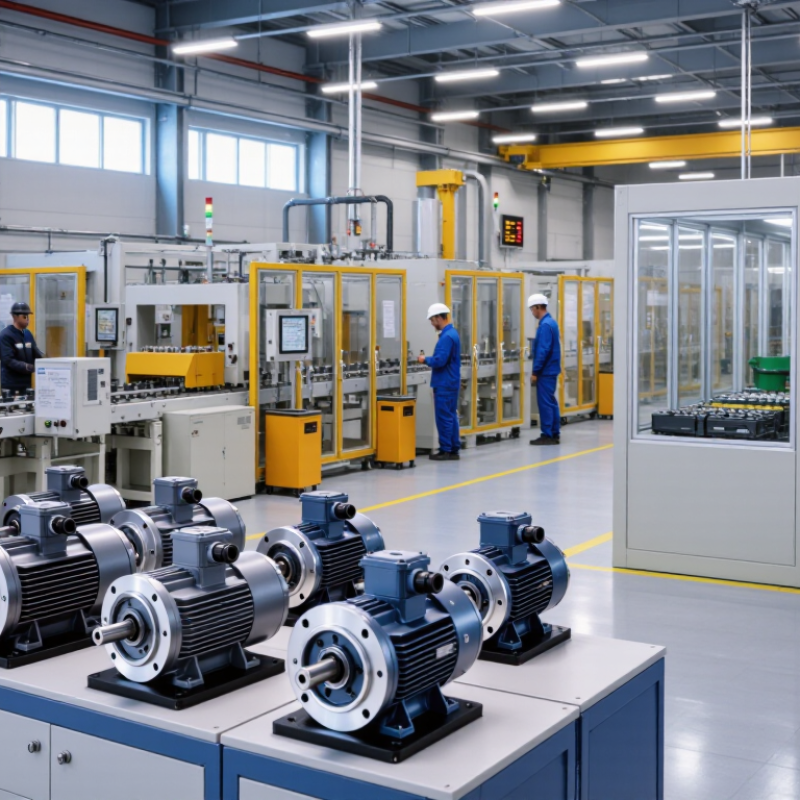
A variable-speed gear motor combines three working elements: the motor, gearbox, and drive. Each has a different responsibility. The motor creates rotational power. The gearbox changes speed and torque. The drive controls electrical frequency and motor speed. Together, they regulate movement more smoothly than a fixed-speed motor.
In a packaging line, the drive may reduce motor frequency from 50 hertz to 30 hertz. The gearbox then supplies higher output torque at the conveyor shaft. This combination helps prevent sudden starts, product damage, and unnecessary mechanical stress. Proper matching matters. A large gearbox cannot correct an undersized motor. Likewise, a powerful motor may overheat when the gearbox ratio is unsuitable. Engineers should check rated torque, service factor, output speed, duty cycle, and cooling conditions.
Real systems are less tidy. Dust, heat, frequent reversing, and poor alignment can shorten service life. During factory evaluation, buyers should inspect test records, gear tooth finishing, bearing quality, sealing methods, and drive protection functions. Ask how suppliers verify noise, vibration, temperature rise, and load performance. A quiet sample may still fail under continuous production loads. This is where practical experience matters. Request application data, not only catalog ratings. Small details, such as terminal access and encoder wiring, can affect installation time. Some specifications also need reconsideration after field testing. Good manufacturers in China should explain these limits clearly and support measurable adjustments.
| System Element | Primary Function | Typical Characteristics | How It Works with the Other Components | Key Selection Considerations |
|---|---|---|---|---|
| Electric motor | Converts electrical energy into rotating mechanical power. | Common industrial configurations include three-phase induction motors and permanent-magnet motors. Rated voltage, power, speed, and duty rating depend on the application. | The drive controls the motor’s electrical supply. The motor supplies rotation to the gearbox input shaft. | Required power and torque, supply voltage, operating speed range, duty cycle, enclosure protection, and cooling method. |
| Gearbox | Reduces input speed and increases output torque according to its gear ratio. | Common arrangements include helical, bevel-helical, worm, and planetary gearing. Ratios and efficiency vary by design and size. | The gearbox receives the motor’s rotation and provides a lower-speed output suited to the driven machine. | Output torque, ratio, mounting position, shaft arrangement, service factor, backlash requirements, and lubrication. |
| Variable-frequency drive (VFD) | Adjusts an AC motor’s speed by varying the frequency and voltage supplied to it. | Speed control range and performance depend on the drive, motor type, control method, and load. Sensorless vector and encoder-based control are available options. | The drive changes motor speed; the gearbox then converts that speed into the required output speed and torque. | Motor compatibility, input supply, output current, overload requirements, braking needs, control signals, and installation environment. |
| Combined gear motor | Provides a coordinated motor-and-gearbox package for driving machinery. | May be supplied with direct-coupled components and specified by motor power, gear ratio, output speed, and output torque. | Matching the motor and gearbox helps ensure the assembly can meet the load’s speed and torque requirements. | Confirm the complete operating point, not just motor power: output speed, starting torque, load variation, and operating hours. |
| Output speed | Defines how fast the driven machine or mechanism turns. | For a simple fixed-ratio gearbox, approximate output speed equals motor speed divided by the gear ratio. Actual speed also depends on motor operation and load. | Changing VFD frequency changes motor speed; the gearbox ratio scales that speed at the output. | Check minimum and maximum required speeds, process accuracy, and whether the gearbox is suitable across the full operating range. |
| Output torque | Describes the rotational force available to move the load. | Gear reduction generally increases output torque while reducing speed. Actual available torque is affected by motor output, gearbox efficiency, and operating conditions. | The motor generates torque, the gearbox modifies it, and the drive manages motor operation within its rated limits. | Include starting, acceleration, peak, and continuous load requirements; allow for appropriate application and service factors. |
| Thermal performance | Manages heat generated in the motor, drive, and gearbox during operation. | Low-speed operation can reduce the cooling airflow of a shaft-mounted motor fan. Gearbox temperature depends on load, speed, lubrication, and ambient conditions. | Extended low-speed operation or frequent overload can increase heat across the system and may require additional cooling or a revised selection. | Review the full speed range, ambient temperature, duty cycle, ventilation, and manufacturer-defined thermal limits. |
| Typical applications | Supports processes that need controlled speed and mechanical torque. | Examples include conveyors, mixers, packaging equipment, material handling, and selected pumping or processing duties. | The drive provides speed adjustment, the motor supplies power, and the gearbox matches the rotating output to the machine. | Assess the load profile, required control accuracy, start-stop frequency, environment, and maintenance access. |
Note: Specifications and performance vary by motor, gearbox, drive, and application. Confirm ratings and operating limits using the selected equipment’s technical documentation.
They are motor efficiency classes under IEC 60034-30-1. Higher classes generally require lower motor losses.
No. The class usually describes the motor, not inverter, gearbox, wiring, or control losses. Small print matters.
Not always. Variable-speed applications may require assessment under other applicable standards and operating conditions.
Request the motor configuration, rated output, pole count, frequency, load, and measurement conditions. Ask for measured figures.
Cooling may weaken, and inverter or gearbox losses can become more significant. Performance near rated load may mislead.
Compare torque curves, noise, temperature rise, cooling, thermal limits, and gearbox losses. Use the speeds and loads of the real installation.
Verify certificate numbers, issuing bodies, covered models, and validity dates. An ISO 9001 certificate shows quality management, not automatic product quality.
Options can include shaft dimensions, mounting positions, gear ratios, encoder interfaces, voltage, coatings, and connector types. Lead times may increase sharply.
Request factory records, sample tests, inspection reports, and data from the same production line. Fast replies are not enough.
Vague technical answers, unmatched test conditions, unclear certificates, and missing thermal data deserve attention. I would not compare quotations yet.
Choosing the right Variable Speed Gear Motor requires evaluating how the motor, gearbox, and drive operate as one integrated system. A well-matched combination delivers stable speed control, sufficient torque, and reliable performance across different operating conditions. Key specifications include rated power, torque, adjustable speed range, gear ratio, duty cycle, and mechanical efficiency. Buyers should also compare motor efficiency according to IEC 60034-30-1 classes, from IE1 to IE4, with higher classes generally offering better energy performance.
Protection and testing are equally important. IP ratings under IEC 60529 indicate resistance to dust and water, while rated-load verification helps confirm that the motor can perform safely under its stated operating conditions. When comparing Chinese manufacturers, customers should review product range, technical certifications, testing capabilities, customization options, delivery support, and after-sales service. A careful assessment of these factors can help identify a dependable solution for industrial automation, conveying, pumping, and other variable-speed applications.
