TeTe Motor
Choosing the right "Top Sale Motor" is crucial for any business aiming for success. According to a report by MarketsandMarkets, the global motor market is projected to reach $150 billion by 2026. Businesses must prioritize quality and efficiency when selecting a motor to ensure optimal performance and reliability.
Industry expert John Smith, a leading authority in motor technology, states, "Investing in a top sale motor can significantly enhance your operational productivity." His insight underscores the importance of making informed decisions based on the specific needs of your business. A motor that suits your operational requirements can lead to improved efficiency and lower energy costs.
However, the process is not without challenges. Many companies overlook the specific criteria that define a "Top Sale Motor." Failing to thoroughly evaluate factors such as energy efficiency, compatibility, and support services may lead to costly mistakes. It's essential to reflect on these elements and seek expert guidance. By doing so, businesses can secure a motor that not only meets their needs but also drives future growth.
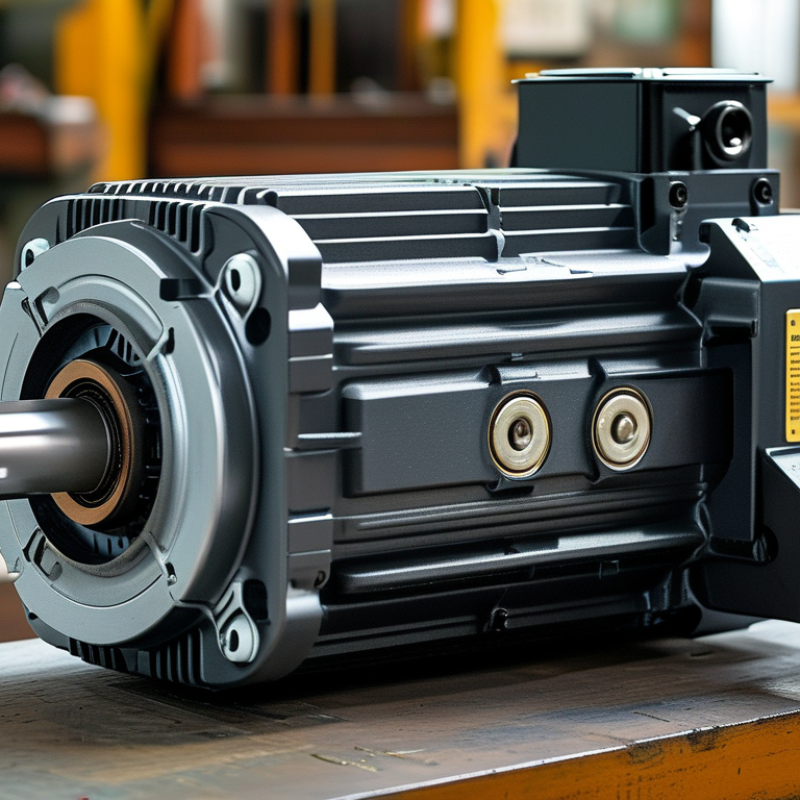
Choosing the right sale motor is crucial for your business's success. A well-selected motor enhances productivity and efficiency. According to industry reports, an estimated 30% of enterprises experience operational delays due to improper motor selection. Motors impact everything, from energy consumption to process speed. Businesses must acknowledge the financial repercussions of selecting an inappropriate motor.
Consider factors like power requirements and efficiency ratings. Reports indicate that motors can account for 60% of a factory's energy bill. Selecting a motor with higher efficiency can save up to 20% in electricity costs. Pay attention to the motor's lifespan and maintenance needs. Proper maintenance extends motor life and prevents unexpected shutdowns.
**Tips:** Always assess your business's unique demands. Test different motors in practice if possible. Utilize simulation tools to predict performance outcomes. It’s important to reflect on your choices. Frequent reevaluation helps align your motor selection with changing business needs. Do not underestimate the potential of feedback from your team on motor performance.
Selecting the right motor for your business in 2026 requires thoughtful consideration. Understanding your specific needs is crucial. Different applications may demand varying types of motors. Assess the operational environment and expected loads. Do you need high efficiency or high torque?
It’s also essential to consider reliability. A reliable motor minimizes downtime. This can lead to improved productivity. Ask how often the motor will be in use. Frequent usage calls for durable options. Additionally, factor in energy consumption. Over time, energy-efficient choices can save significant costs.
Tips for selection: Evaluate the motor's mounting options. Ensure it fits seamlessly into your existing systems. Compatibility can save time and money. Check for service and support options. Good post-purchase support can ease maintenance conflicts.
Remember, your choice impacts operational efficiency. Take time to reflect on your specific demands. Don’t overlook the importance of proper installation. This can be a common source of future problems.
When choosing a motor for your business, understanding performance metrics is crucial. Efficiency measures how effectively the motor converts electrical energy into mechanical energy. A more efficient motor can lead to significant cost savings. Lower energy consumption means reduced operating costs. This metric should not be overlooked, particularly for long-term projects.
Torque is another vital factor. It indicates how much turning force the motor can exert. High torque is essential for applications that require heavy lifting or rapid starts. However, torque should be balanced with speed. A motor that excels in one may lag in the other. Finding the right combination is critical.
Speed denotes how quickly a motor can operate. A higher speed may improve productivity. Yet, it can also translate to more wear and tear on the components. Regular maintenance is necessary for these motors. Be prepared for trade-offs. Choosing the right motor involves understanding these nuances. Each metric reflects a different priority, making selection challenging.
In recent years, the motor technology market has seen significant innovations. According to a report by Research and Markets, the global electric motor market is projected to grow at a CAGR of over 6% between 2023 and 2030. Businesses are increasingly investing in energy-efficient motors. These motors can reduce operational costs and enhance productivity.
When choosing the right motor, consider energy consumption and efficiency ratings. Look for technologies like variable frequency drives. They offer precise speed control, which can be crucial for various applications. Additionally, explore motors that utilize advanced materials. These materials can improve performance and reduce maintenance needs.
**Tip:** Always evaluate the lifecycle cost of the motor. Initial savings may lead to higher expenses later.
A focus on sustainability is reshaping motor innovation. Businesses now prioritize eco-friendly solutions. Smart motors and IoT connectivity are becoming common. These technologies enable predictive maintenance, reducing downtime. However, not all companies grasp the full potential of these advancements. Some may delay integrating smart technology, missing out on valuable insights.
**Tip:** Stay updated on market trends to avoid falling behind. Research regularly and network with experts.
When evaluating sale motors for your business, a cost-benefit analysis is crucial. Understanding the return on investment (ROI) allows you to make informed decisions. These motors can vary greatly in price and efficiency. Important factors include energy consumption, maintenance costs, and lifespan. A more expensive motor may save you money over time through lower energy bills.
Take the time to calculate potential savings. For example, a motor operating efficiently can reduce electricity costs by up to 30%. Meanwhile, poor choices can lead to frequent breakdowns and repair expenses. Reflect on your specific needs. What is the environment of use? Will the motor handle peak loads effectively? Sometimes, larger investments in quality lead to greater long-term benefits.
However, careful research is essential. Gather data on competitors and industry leaders. This will help identify what works best in your field. Align your choices with industry standards. Yet, don’t overlook innovative options that reveal themselves during the analysis. Finding the right balance between cost and performance often requires flexibility and reconsideration of initial preferences.
| Motor Type | Initial Cost ($) | Annual Maintenance Cost ($) | Expected Lifetime (Years) | Estimated ROI (%) |
|---|---|---|---|---|
| AC Induction Motor | 800 | 50 | 15 | 120% |
| DC Motor | 1000 | 75 | 10 | 110% |
| Servo Motor | 1500 | 100 | 12 | 130% |
| Brushless Motor | 1200 | 60 | 20 | 140% |
| Stepper Motor | 700 | 40 | 8 | 105% |
: Motor selection affects productivity and efficiency, impacting operational success significantly.
Assess power requirements, efficiency ratings, lifespan, and maintenance needs.
Motors can account for up to 60% of energy bills. An efficient motor saves on electricity.
Regular reevaluation ensures alignment with evolving business needs and team feedback.
A reliable motor minimizes downtime, which boosts overall productivity and performance.
Proper maintenance extends motor life and prevents costly breakdowns and repairs.
Understanding ROI helps evaluate savings from energy efficiency versus upfront costs, guiding smarter choices.
Yes, proper installation is critical. It can prevent future problems and ensure smoother operation.
Yes, simulation tools can predict performance outcomes, helping in the selection process.
Frequent reassessment allows adaptation to market changes and ensures continued effectiveness.
Choosing the right Top Sale Motor for your business in 2026 is crucial for optimizing operational efficiency and driving growth. Understanding the importance of selecting the appropriate motor involves considering key factors such as performance metrics—efficiency, torque, and speed—as well as recent market trends and innovations in motor technology.
Evaluating these elements through a cost-benefit analysis will help determine the best return on investment (ROI) for your industry. By focusing on these critical aspects, businesses can effectively choose a Top Sale Motor that not only meets their specific needs but also positions them competitively in the market.
