TeTe Motor
Choosing the right Coreless DC Motor requires careful consideration. Renowned expert Dr. Emily Hunter states, "Selecting the ideal motor can significantly enhance performance." The significance of her words highlights the intricate relationship between motor choice and application.
Coreless DC Motors offer numerous advantages, including reduced weight and improved efficiency. However, not all motors are created equal. Users often face challenges understanding specifications, power ratings, and torque requirements. Misleading details can lead to poor choices and project setbacks.
Proper motor selection can maximize performance and prolong equipment lifespan. It's essential to evaluate factors like size, speed, and application demands. Misjudgments in selection could tarnish project success. Each application is unique, underscoring the importance of meticulous decision-making in selecting a Coreless DC Motor.
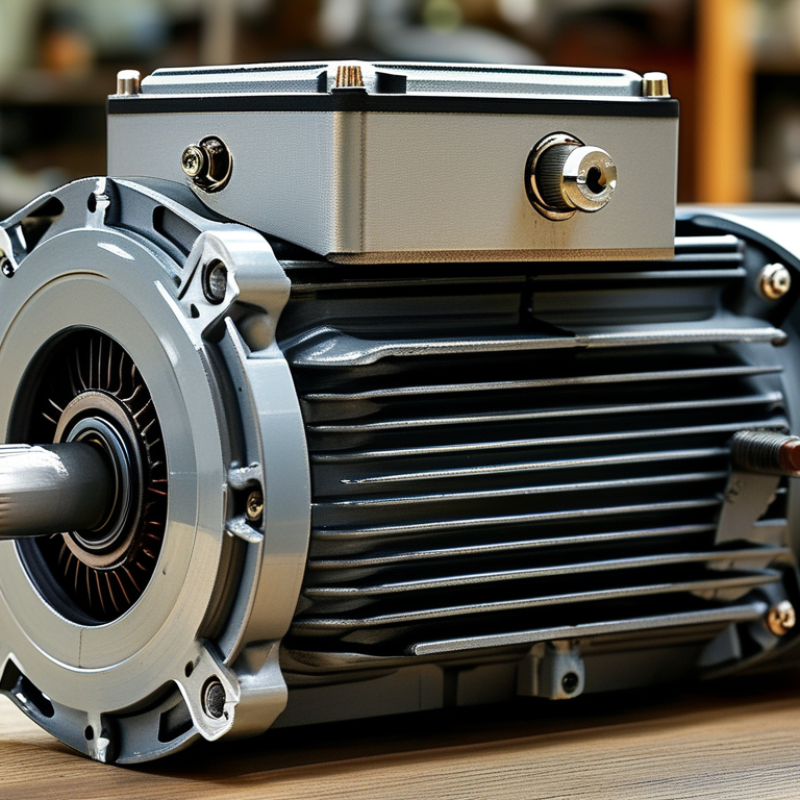
Coreless DC motors are increasingly popular in various industries due to their lightweight design and efficient performance. Unlike traditional motors, coreless variants do not have a heavy iron core. This leads to reduced inertia and faster response times, ideal for applications requiring quick direction changes. According to a recent report by the International Electrotechnical Commission (IEC), coreless motors can achieve efficiencies over 90%, making them a reliable choice for precision tasks.
The performance of coreless DC motors is often measured by their torque and speed characteristics. A study by the IEEE showed that these motors can deliver up to 200% higher torque compared to conventional options at similar sizes. This feature is crucial for robotic applications where space is limited. However, one must be aware of their thermal limitations. Sustained high loads can lead to overheating. Therefore, careful consideration of the motor's thermal management is essential.
While coreless motors offer several advantages, they can be more expensive than traditional models. The initial investment may not always align with budget constraints, especially for small-scale projects. Additionally, the availability of spare parts can be a concern in some regions. Balancing the needs of performance, cost, and reliability requires thoughtful evaluation and understanding of the specific application requirements.
Selecting the right coreless DC motor involves analyzing various key specifications. One crucial aspect is the motor’s torque rating. Higher torque may be necessary for demanding applications, like robotics. According to industry reports, over 60% of applications require at least 30% more torque than initially estimated. A proper torque analysis can help avoid operational inefficiencies.
Speed is another vital characteristic to consider. Many projects necessitate specific RPM ranges for effective functionality. Reports suggest that motors with variable speed capabilities are preferred in 75% of applications. However, acquiring a motor with the wrong speed can lead to increased wear or insufficient performance.
Additionally, assessing the motor's efficiency is critical. Coreless DC motors are known for their high efficiency, often exceeding 80%. This can significantly impact battery life in portable devices. Professionals indicate that choosing a less efficient motor can result in a 20% reduction in overall performance. Balancing efficiency, torque, and speed is essential for optimal results. Always revisit your specifications to ensure they align with project needs.
Choosing the right coreless DC motor requires thorough evaluation of application needs. Coreless DC motors offer benefits like high efficiency and compact size. Their design eliminates the core, reducing weight and inertia. This makes them ideal for robotics, medical devices, and drones. Industry reports indicate a growing demand in these sectors, with a projected growth rate of 8.5% from 2022 to 2027.
Tips: Understand your gear requirements. Consider load characteristics and speed requirements. Evaluate power supply specifications. A mismatch can lead to performance issues.
Size and weight constraints can significantly impact your selection. Coreless motors can range from a few grams to larger units. Weigh your options carefully, focusing on overall system design. Some applications may require custom solutions, which can complicate the decision. Keep in mind, overestimating specifications may lead to inefficiencies.
Incorporate this knowledge into your decision-making process. Researching the latest advancements in coreless motor technology can offer insights. Experts suggest keeping up with industry trends through reliable publications. Seek feedback from engineering professionals to validate your choices.
When selecting a coreless DC motor, understanding different types is crucial. Coreless DC motors vary in design and efficiency, which impacts their performance in specific applications. These motors typically come in two main types: iron-core and coreless designs. Iron-core motors use a magnetic core, while coreless motors feature an armature without a core, resulting in lighter weight and greater responsiveness. The coreless design minimizes inductance, allowing for quicker start-up and stop times.
Another factor to consider is the motor's size and weight. Coreless motors are usually more compact and lighter, making them suitable for applications where space and weight are critical. For example, in drones or portable devices, a coreless motor can enhance maneuverability. However, they may have limitations in torque and power output in certain scenarios.
Users must also evaluate efficiency ratings and specific application needs. A motor that excels in one area might not meet requirements in another. Comparing torque curves and speed profiles can reveal disparities. It's essential to reflect on how these differences align with project goals. Therefore, thorough research and analysis are imperative when choosing the right coreless DC motor to ensure compatibility and performance efficiency.
When sourcing quality coreless DC motors, it's crucial to consider several factors. First, understand the specifications you need. These include voltage, current, and RPM. Always ask for detailed datasheets. This documentation reveals a lot about performance.
Evaluate the manufacturing processes of the suppliers. High standards in production indicate reliability. Research their quality control measures. Sometimes, a low price can signal hidden issues. It’s worth investing time to find reputable sources. Read reviews to gauge past customer experiences. These can provide insights into the motor's performance and longevity.
Prototyping can also be a key step. If possible, obtain samples to test in real applications. This helps verify that the motor meets your standards. Document the outcomes for future reference. An imperfect prototype can lead to valuable lessons. Reflect on the results, and don’t hesitate to adjust your selection criteria.
: Coreless DC motors are lightweight and offer efficient performance. They have reduced inertia, enabling faster response times.
Coreless motors can deliver up to 200% more torque than traditional options. This is beneficial for applications with limited space.
Coreless motors typically come in two types: iron-core and coreless designs. The coreless design is lighter and more responsive.
Evaluate specifications like voltage and RPM. Request detailed datasheets for performance insights.
Prototyping allows you to test motors in real applications. It helps verify specifications and document outcomes for future reference.
Coreless motors can be more expensive than traditional models. Their thermal limitations may also lead to overheating under sustained loads.
Motor design, size, and application requirements influence efficiency. A motor's performance may vary across different tasks.
Research manufacturing processes and quality control measures. Past customer reviews can provide insights into a supplier's reliability.
Analyze the results and consider if adjustments to your selection criteria are necessary. Learning from imperfections is vital.
Availability of spare parts can vary by region. It's essential to confirm accessibility before making a purchase decision.
Choosing the right coreless DC motor requires a solid understanding of its fundamental characteristics and specifications. Coreless DC motors are unique due to their design, which eliminates the core, resulting in lighter weight and higher efficiency. When selecting a coreless DC motor, it is crucial to evaluate key specifications such as voltage, torque, speed, and overall performance to ensure it meets your specific application requirements.
Furthermore, it’s important to compare various types of coreless DC motors available in the market, as they can differ significantly in design and functionality. Consider factors such as size, power output, and intended use to find the best match for your needs. Sourcing quality coreless DC motors involves not only examining technical specifications but also understanding the sourcing process to guarantee reliability and performance in your application.
