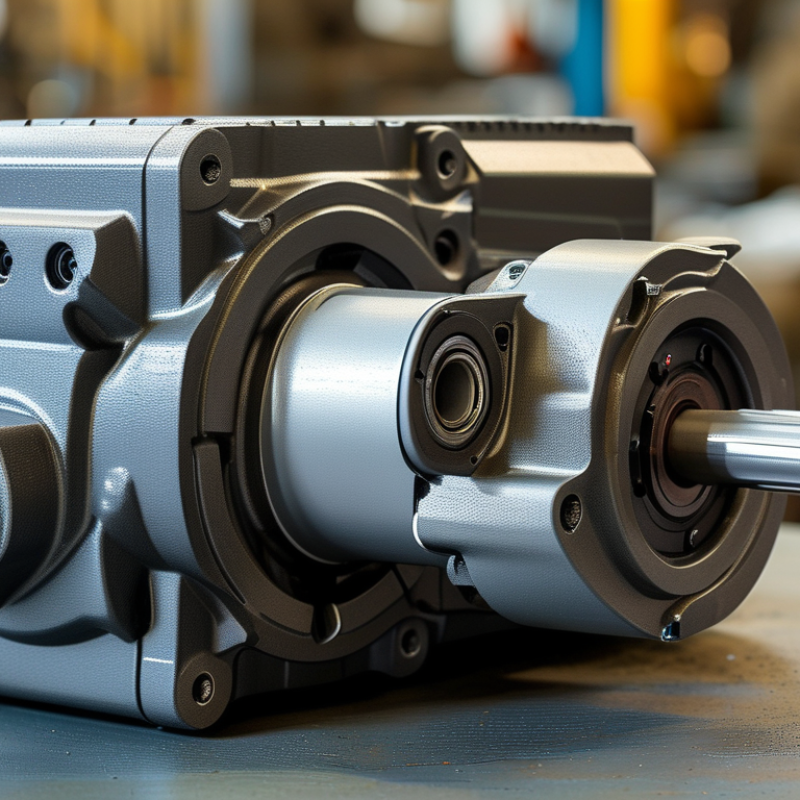
Selecting the right Other Gear Motor can greatly affect performance. The global market for gear motors is projected to reach $30 billion by 2025, according to a report by Market Research Future. This growth highlights the importance of making an informed choice.
Experts emphasize the need for rigorous assessment when choosing an Other Gear Motor. John Smith, a renowned industry analyst, states, “Selecting the right gear motor is critical for optimizing efficiency.” Understanding specifications like torque and speed is vital. Many users overlook these details, which can lead to operational inefficiencies.
In a field where precision is crucial, a thoughtful approach is necessary. It's easy to get overwhelmed by options. However, focusing on your specific needs can lead to better decisions. Don't rush this process. Reflect on your requirements, and ensure the gear motor aligns perfectly with your operational goals.
Factors to Consider When Selecting an Other Gear Motor
When selecting an other gear motor, consider the application requirements first. This includes the motor’s torque, speed, and power. A report by MarketsandMarkets indicates that gear motors are essential in various industries due to their efficiency and reliability. Understanding how your application affects these factors can lead to better choices.
Tip: Assess your specific application. A motor optimized for low speeds may perform poorly in high-speed tasks.
The material of the gear motor also matters. For harsh environments, stainless steel may be necessary. Conversely, a lightweight aluminum casing might suffice for lighter-duty operations. According to industry studies, gear motors fabricated with advanced materials exhibit increased durability, which can lower long-term costs.
Tip: Don't overlook sizing. A common issue is overestimating or underestimating motor requirements.
Efficiency ratings should not be ignored. Motors with higher efficiency can significantly reduce energy consumption. According to the U.S. Department of Energy, robust selections can lower costs by approximately 10-30%. Be mindful of the trade-offs between initial costs and long-term savings when making your choice.
How to Choose the Best Other Gear Motor for Your Needs? - Factors to Consider When Selecting an Other Gear Motor
| Parameter |
Description |
Considerations |
| Torque |
Amount of rotational force the motor can exert. |
Ensure torque meets application requirements. |
| Speed |
The rotational speed of the motor, usually in RPM. |
Consider the required operating speed for your application. |
| Voltage |
The voltage required to operate the motor. |
Match voltage with the available power supply. |
| Efficiency |
How effectively the motor converts electrical energy to mechanical energy. |
Higher efficiency can reduce operational costs. |
| Size |
Physical dimensions of the motor. |
Ensure it fits within the designated space. |
| Mounting Type |
How the motor is attached to the application. |
Choose the appropriate mounting style for your needs. |
| Cost |
Total expense to purchase the motor. |
Ensure it fits within your budget while meeting requirements. |
Types of Other Gear Motors and Their Applications in Various Industries
When selecting a gear motor, understanding the types available is crucial. There are several designs, including DC gear motors, AC gear motors, and stepper gear motors. Each type serves unique applications in various sectors. For example, DC gear motors are popular in robotics and automotive applications, thanks to their efficiency and controllability. AC gear motors, on the other hand, are often found in industrial machinery. These motors adapt well to consistent workloads.
Tips: Consider your application’s requirements carefully. Do you need speed, torque, or precision? Knowing your specs can simplify your decision-making.
Stepper gear motors are excellent for precise control and positioning. They are prevalent in manufacturing and 3D printing. Additionally, planetary gear motors provide enhanced torque in a compact size, ideal for applications in aerospace. However, their complexity can sometimes lead to maintenance challenges.
Tips: Analyze the environment where the motor will operate. Factors like temperature, load, and vibration can impact performance.
Each motor type has its advantages and limitations. Choosing the right one takes time and careful consideration. As technology advances, new options continue to emerge. Staying updated helps make informed decisions.
Analyzing Torque and Speed Requirements for Optimal Gear Motor Selection
Selecting the right gear motor involves a detailed analysis of torque and speed requirements. Understanding these factors is critical. Torque refers to the rotational force produced by the motor, while speed indicates how fast the motor operates. Both are essential in determining how effectively a motor will perform its intended task.
To assess torque, identify the load your application requires. Calculate the total weight that needs to be moved and any friction involved. This will dictate the amount of torque the gear motor needs to deliver. For example, a conveyor belt system will require different torque compared to an electric bicycle. Testing under load conditions helps validate your calculations.
Speed requirements also play a pivotal role. Some applications demand high speed, while others may favor slower, more controlled movements. Balancing these aspects will lead to optimal performance. Often, users overlook the importance of acceleration and deceleration rates. Not considering these can lead to inefficiencies. Adjusting speed settings can optimize functionality. Thus, deep understanding of both torque and speed is necessary for selecting the best gear motor for your needs.
Evaluating Energy Efficiency Ratings and Their Impact on Costs
When selecting an other gear motor, energy efficiency ratings play a crucial role. These ratings indicate how effectively a motor converts electrical energy into mechanical energy. A higher rating generally means lower energy consumption. This can lead to significant cost savings over time, particularly in applications that run continuously.
It's important to recognize that not all energy-efficient motors are created equal. Some may have high ratings but lack adequate torque for specific tasks. Evaluating the requirements of your project is essential to prevent potential inefficiencies. You might save money initially by purchasing cheaper equipment. However, this could lead to increased operational costs in the long run.
Consider the long-term impact of efficiency ratings on your energy bills. While an efficient motor may cost more upfront, it can provide substantial savings over its lifespan. Always ask yourself: will this motor meet my energy efficiency needs? Reflecting on these aspects ensures smarter decisions. Balancing cost, efficiency, and performance is critical in getting the best value for your investment.
Energy Efficiency Ratings of Different Gear Motors
This chart illustrates the energy efficiency ratings of various gear motors, measured in kW/h. Analyzing these ratings helps in selecting the most energy-efficient option which can result in cost savings over time.
Understanding Maintenance Needs and Lifespan of Gear Motors
Choosing the right gear motor involves understanding its maintenance needs and lifespan. Gear motors can vary significantly in their durability and upkeep requirements. Regular maintenance is crucial for optimal performance. Assessment of lubrication, alignment, and wear can extend the life of a gear motor.
Tips for maintenance:
1. Check the lubrication regularly. This prevents overheating and reduces friction.
2. Inspect for unusual noises during operation. This can indicate potential failures.
The lifespan of a gear motor often depends on its application and environment. Harsh working conditions can lead to faster wear. Conversely, motors used in controlled environments may last longer. Understanding these factors helps in making informed decisions. Remember, not all gear motors are created equal. Some may require more care than others.
Tips for longevity:
1. Avoid overloading the motor. This can lead to premature failure.
2. Keep the motor clean from dust and debris. Accumulation can hinder performance.
Reflecting on these aspects can guide you in selecting a gear motor that suits your specific needs. Consider your operational demands carefully. Choosing the right gear motor is about finding the right balance between efficiency and maintenance.
FAQS
: Focus on application requirements like torque, speed, and power for better choices.
The material impacts durability, especially in harsh environments. Stainless steel may be needed for such use.
Higher efficiency ratings lower energy consumption. This can save costs up to 30% over time.
Types include DC, AC, stepper, and planetary gear motors. Each suits different applications and needs.
Factors like temperature and vibration impact performance. Analyze your operating environment before selection.
Yes, cheaper motors might lead to higher operational costs due to inefficiencies. Reflect on long-term impacts.
Many overestimate or underestimate their needs. Accurate sizing is critical for performance and efficiency.
Assess your project's requirements thoroughly. Don’t just look at upfront costs; consider overall savings.
No, some efficient motors may lack adequate torque. Evaluate your specific task before making a choice.
Conclusion
When selecting the best Other Gear Motor for your specific needs, several crucial factors must be taken into account. Considerations include the type of gear motor suited for various applications across industries, as well as the torque and speed requirements that align with your operational demands. Additionally, evaluating energy efficiency ratings can significantly impact long-term costs, making it essential to choose a motor that balances performance with energy consumption.
Maintenance needs and the expected lifespan of the Other Gear Motor are also vital aspects that influence your decision. Understanding these elements will help ensure you select a gear motor that not only meets your immediate requirements but also offers reliability and durability over time. By thoroughly analyzing these factors, you can make an informed choice that maximizes efficiency and cost-effectiveness for your applications.
 TeTe Motor