TeTe Motor
Selecting a Low Noise Gear Motor for your project can significantly impact its success. These motors offer quiet operation, which is essential in various applications, from robotics to home appliances. A well-chosen low noise gear motor can enhance user experience and satisfy specific requirements.
When searching for the right components, consider the intended application. Think about torque, speed, and size. Each project is unique, and motor specifications will vary. Moreover, one should analyze the materials used in manufacturing the motor. Some materials can create unwanted noise that affects overall performance.
Engineers and designers often face challenges in balancing power and noise levels. It's common to overlook the acoustic aspects during the design phase. Therefore, testing different motors can yield surprising insights. A reliable low noise gear motor can lead to improved efficiency and user satisfaction, making it a worthwhile pursuit in your project.
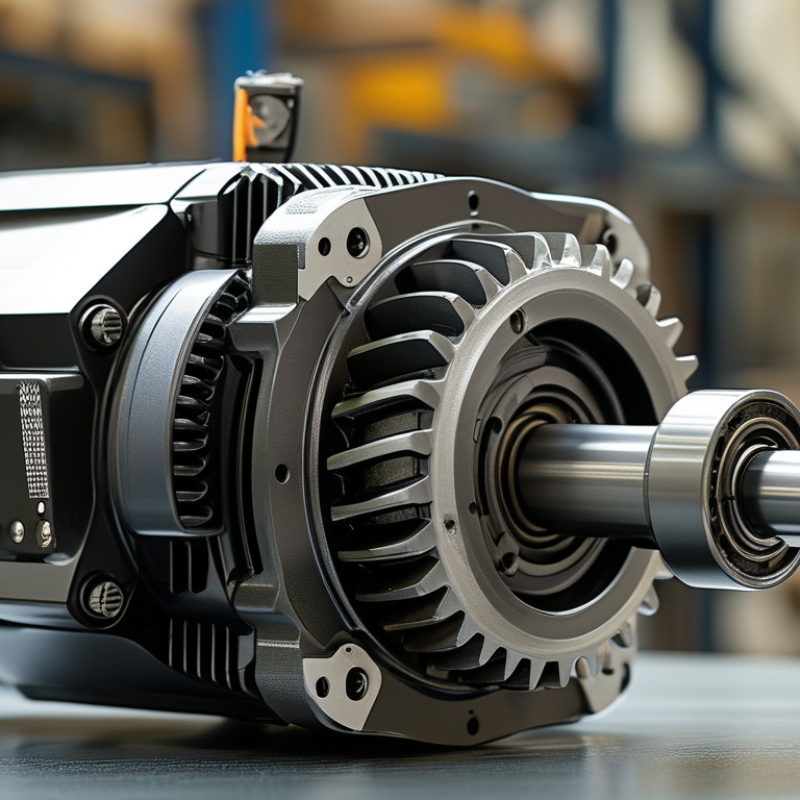
When selecting gear motors, noise levels can be a crucial factor. Many projects require a quiet environment for optimal performance. Understanding the components that influence noise can lead to better choices. Gear motors consist of gears, bearings, and housings. These elements all contribute to the overall noise produced during operation.
Tips: Examine the motor’s design. Motors with tighter tolerances typically produce less noise. Additionally, consider materials used in the construction. A robust housing can dampen vibrations and noises more effectively.
Noise is not always linear with load. Sometimes, a loaded gear motor is quieter than one running empty. It's essential to test your gear motor in real-world settings. Listen closely to its sound profile under different conditions.
Tips: Always check for customer reviews on noise levels. Genuine reports from users can highlight noise issues you may not anticipate. Furthermore, consider creating soundproofing enclosures if noise is a significant concern. Balancing performance with quiet operation can enhance your project's success.
When selecting low noise gear motors for your project, it's crucial to understand the factors influencing noise levels. Gear design plays a vital role. Gears with helical or planetary designs often produce less noise compared to spur gears. However, they can come with trade-offs. Heavily loaded systems may create additional noise, even with quieter gear designs.
Another factor is the quality of materials used in gears. Higher-quality materials can reduce vibrations. These vibrations often contribute to noise production. The tolerance levels in gear assembly matter too. Poor tolerances can lead to increased friction and noise. It’s important to evaluate manufacturing processes that ensure precise fitting.
Motor operation speed is another consideration. Higher speeds may generate more noise. Reducing the operational speed can help. Additionally, lubrication types impact noise levels. Some lubricants minimize friction and noise effectively while others don't. Attention to installation can affect performance as well. Improper mounting might introduce unwanted vibrations, making noise levels unpredictable.
Choosing the right gear motor involves these nuanced aspects. Experimenting with different gear types and configurations is critical. You may encounter trial and error in your selection process. Consider running tests on various setups to find the optimal combination that suits your project's needs.
When evaluating low noise gear motors, various noise reduction techniques can be explored. Gear motor noise largely stems from the interaction of gears during operation. According to a study by the International Journal of Engineering Research, a well-designed motor can reduce noise levels by up to 40%. This is crucial for applications in residential areas or medical settings that require a quieter environment.
Vibration dampening is one effective technique. Using rubber mounts can absorb vibrations and minimize sound transmission. In practice, adding such mounts can decrease operational noise levels significantly. Another approach is to optimize gear tooth design. Hypoid or helical gears are engineered to mesh more smoothly than standard spur gears, which can reduce gear whine. Research indicates that switching to these designs can lower noise emissions by 25% under certain conditions.
Lubrication also plays a vital role in noise reduction. The right lubricant can minimize friction, leading to quieter operation. Yet, consistency in application is often overlooked, resulting in higher noise levels over time. Regular maintenance checks are recommended to reapply lubrication as needed. Balancing performance and noise control requires a comprehensive understanding of these techniques to choose the most suitable motor for your project's needs.
This chart evaluates the noise levels of various gear motor technologies and their effectiveness in noise reduction techniques.
When selecting a gear motor for your project, consider the specific requirements. Different applications require different performance characteristics. For instance, torque, speed, and efficiency are crucial factors. High torque is essential for heavy loads, while efficiency impacts energy consumption.
Tips: Review your project specifications carefully. Look for the required RPM and load capacity. Understanding your needs helps narrow down choices.
Noise levels are another vital consideration. Low noise gear motors are preferred in environments where quiet operation is necessary. This includes residential areas and labs. However, achieving low noise may sometimes affect other performance aspects.
Tips: Test different models and read user reviews. Real-world experiences can reveal insights not found in spec sheets. Consider prototypes to gauge noise levels.
Don't overlook the importance of size and weight. Gear motors come in various dimensions, impacting installation and performance. An overly large motor might constrain your design, while a compact option can simplify integration.
Tips: Conduct space assessments to ensure compatibility. Sometimes compromises are needed to balance size with performance. Evaluate if a larger motor can be accommodated in the long run.
| Motor Type | Voltage (V) | Noise Level (dB) | Output Torque (Nm) | Speed (RPM) | Efficiency (%) |
|---|---|---|---|---|---|
| DC Gear Motor | 12 | 55 | 0.5 | 200 | 85 |
| Stepper Motor | 24 | 60 | 0.8 | 300 | 90 |
| AC Gear Motor | 110 | 50 | 1.2 | 150 | 87 |
| Brushless Motor | 48 | 45 | 0.6 | 400 | 92 |
When selecting low noise gear motors, understanding noise levels is crucial. Noise measurements should be conducted in a controlled environment. Using a sound level meter, technicians can capture data accurately. Industry standards often recommend testing at different loads. This helps identify how the noise levels fluctuate under varying conditions.
According to recent reports, the acceptable noise level for gear motors typically ranges between 50-70 dB. Motors exceeding 70 dB are considered high noise. High noise levels can impact user comfort and product performance. For instance, medical devices and home appliances often require lower noise thresholds. The challenge lies in balancing performance and acoustics, which is not straightforward.
Some designs manage to reduce noise effectively, but others might produce unexpected sounds during operation. Factors such as bearing quality and gear design directly influence noise levels. Minor tweaks in design can lead to significant noise reductions. However, manufacturers must prioritize durability alongside noise control. Achieving the ideal balance demands careful consideration and testing throughout the design process.
: Noise levels are influenced by gear design, materials, and tolerances.
Yes, helical gears typically produce less noise but may come with trade-offs.
Higher-quality materials and tighter tolerances reduce vibrations and noise, enhancing performance.
Yes, higher motor speeds can generate more noise. Lower operational speed may help.
Yes, some lubricants minimize friction and noise better than others, impacting overall sound.
Test the gear motor in real-world environments. Listen under various conditions to gauge performance.
Yes, genuine user reports can highlight potential noise problems you might not foresee.
If noise is a significant concern, consider soundproofing enclosures for better performance.
Yes, improper mounting can introduce vibrations, making noise levels unpredictable.
Yes, experimenting with different setups and designs is often necessary for optimal results.
Choosing a low noise gear motor for your project requires a comprehensive understanding of gear motors and their associated noise levels. Key factors that influence noise generation include the design, materials used, and operational conditions of the motor. By identifying these factors, you can effectively evaluate different noise reduction techniques, such as sound insulation and optimized gear designs, to minimize operational sound.
Moreover, selecting the right low noise gear motor involves assessing your specific project requirements, including load capacity, speed, and torque needs. Testing and measuring noise levels in gear motor applications are also crucial steps to ensure the chosen motor meets the desired performance standards. By following this structured approach, you can find the perfect low noise gear motor that balances functionality and quiet operation for your application.
