Why Choose Compact DC Motors for Your Next Project?

Time:2026-08-25 Author:Mason
0%

Compact DC motors have gained popularity in various engineering applications. Their small size and efficient design make them a go-to choice for many projects. Whether it’s robotics, medical devices, or consumer electronics, these motors offer performance where it matters most.

One major advantage lies in their versatility. Compact DC motors can easily fit into tight spaces, crucial for modern designs. Additionally, they provide excellent torque and speed control. Such features allow for precise movements in intricate applications. This effectiveness contributes significantly to project success.

Yet, not all projects may benefit from a compact DC motor. It's essential to evaluate specific needs against the motor's capabilities. Reflecting on various configurations can help avoid mismatched expectations. In an era that demands innovation, choosing the right motor type is critical.
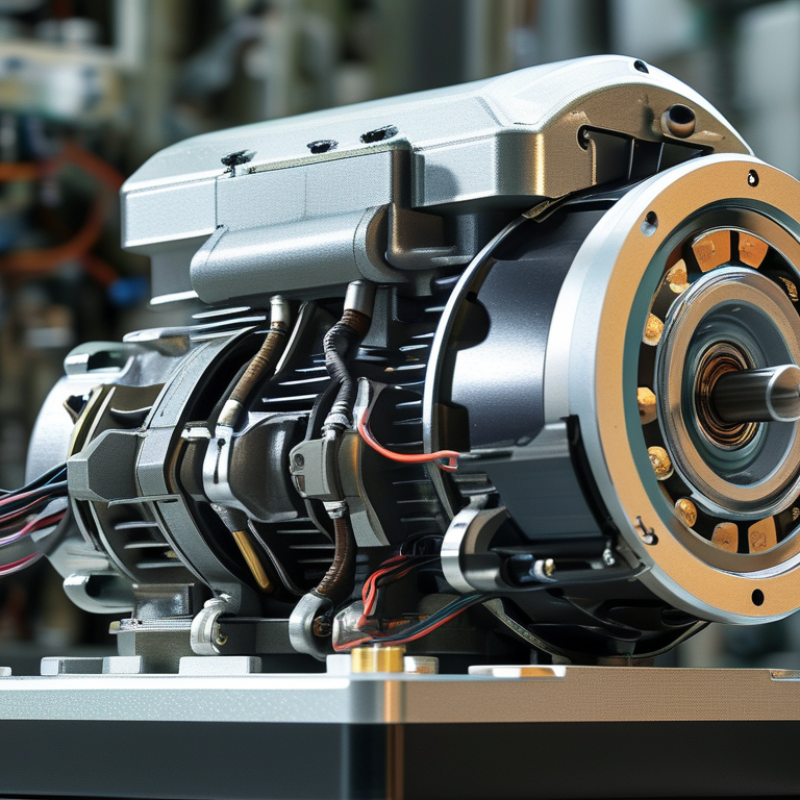
Why Choose Compact DC Motors for Your Next Project?

Benefits of Compact DC Motors in Modern Applications

Compact DC motors are gaining traction in various modern applications. One of their standout benefits is their size. These motors fit into smaller spaces, making them ideal for intricate designs where traditional motors fall short. Their lightweight construction also enhances portability, an important feature for devices like drones and portable tools.

Another notable advantage is their efficiency. Compact DC motors offer excellent performance while consuming less energy. This efficiency can lead to reduced operational costs over time. Additionally, they provide precise speed and torque control, enabling engineers to achieve better results in automation tasks.

However, it’s essential to consider the limitations of compact DC motors. Their smaller size means they may not deliver the same power output as larger counterparts. Also, heat dissipation can be a concern in tightly packed designs. Ensuring proper cooling and maintenance is crucial to maximizing their lifespan. Engineers must weigh these factors carefully to determine if compact DC motors are the right fit for their projects.

Key Features of Compact DC Motors That Enhance Performance

Compact DC motors offer several key features that significantly enhance performance for various applications. Their small size allows for integration into tight spaces, making them ideal for portable devices and compact machinery. According to a report by Research and Markets, the global DC motor market is projected to reach $22.3 billion by 2025, highlighting the growing demand for these efficient motors in industries ranging from robotics to consumer electronics.

One standout feature of compact DC motors is their high torque-to-weight ratio. This means they can deliver substantial power without adding bulk. For instance, some models can achieve up to 0.8 Nm of torque in a compact form. Additionally, the ability to provide precise speed control enhances their appeal. This is particularly beneficial in applications requiring fine-tuned adjustments, such as in medical devices or automated systems.

However, it's essential to consider potential downsides. Compact motors may have a limited lifespan compared to larger, more robust options. Overheating can also be an issue if not managed properly. Regular monitoring and appropriate cooling solutions can help mitigate these risks. Balancing size, power, and longevity is crucial when selecting the right motor for a project. Understanding these factors can lead to more informed and effective decision-making.

Comparative Analysis: Compact DC Motors vs. Traditional Motors

Compact DC motors are gaining popularity in various applications, and for good reasons. Compared to traditional motors, they offer notable advantages. Many compact DC motors are small and lightweight, which helps save space in design. This space efficiency is crucial in applications like robotics and consumer electronics. Traditional motors, while powerful, can be bulky and cumbersome, making them less suitable for tight spaces.

Another factor to consider is the efficiency of compact DC motors. They generally provide better performance in terms of speed control and torque. This is particularly beneficial for projects needing precise movement. Traditional motors may struggle with these requirements. The implementation of compact DC motors can lead to higher overall system efficiency. However, they often require a careful selection process. Not all compact motors will meet the specific demands of a project.

Cost is another area of concern. Compact motors can be more expensive to produce in some cases. This could impact budgeting for a project. However, the trade-off may be worth it, considering the long-term benefits. Analyzing project needs and matching them with the right motor type is essential. Balancing efficiency, space, and budget can be challenging, but it leads to better outcomes if done correctly.

Compact DC Motors vs. Traditional Motors: Performance Comparison

This chart compares the performance and size of compact DC motors with traditional motors. It highlights that compact DC motors offer higher efficiency and significantly smaller size, making them preferable for applications where space and energy consumption are critical factors.

Common Applications for Compact DC Motors in Various Industries

Compact DC motors are pivotal in various industries due to their versatility and efficiency. These motors are commonly found in medical devices, robotics, and consumer electronics. In medical applications, compact DC motors drive small pumps or precision instruments. Their size enables devices to remain portable and easy to handle. Robots use these motors for precise movements, allowing for complex tasks in manufacturing lines.

In consumer electronics, compact DC motors power everything from remote controls to small appliances. Their lightweight design is essential in products where space is limited. The efficiency of these motors ensures that devices run longer on battery power. However, designers must consider heat generation and load capacity, which can impact performance.

While they offer numerous benefits, it’s vital to choose the right motor for specific applications. Not all compact DC motors are created equal; some may not suit high-torque requirements. Analyzing the unique demands of each project helps in making informed decisions. This approach enhances reliability and longevity, ensuring the final product meets quality standards.

Why Choose Compact DC Motors for Your Next Project? - Common Applications for Compact DC Motors in Various Industries

Application Industry Motor Type Power Rating (W) Speed (RPM)
Robotics Manufacturing Brushed DC Motor 12 2000
Conveyor Systems Logistics Brushless DC Motor 25 1500
Medical Devices Healthcare Coreless DC Motor 10 3000
Electric Bicycles Transportation Hub Motor 250 350
Home Appliances Consumer Electronics Permanent Magnet Motor 5 1200

Factors to Consider When Selecting Compact DC Motors for Projects

When selecting compact DC motors, several factors come into play. Size is crucial. These motors are often used in tight spaces, where larger options won't fit. Their compact design allows for efficient integration into various projects. Additionally, weight matters. A lighter motor can simplify transportation and ease installation, making it ideal for portable devices.

Performance specifications are equally important. Look at torque and speed ratings. Ensure the motor can handle the desired load. Consider the operating voltage and current requirements too. A mismatch can lead to inefficiency or failure. Noise levels are often overlooked but can be critical. A quieter motor is beneficial in applications where sound is a concern.

Durability and reliability should not be ignored. Evaluate the materials used in the motor's construction. High-quality components will extend its lifespan. However, even the best motors can fail. Testing under real-world conditions can reveal hidden weaknesses. Always be ready to adapt your design based on these insights. In the end, the right choice depends on a careful assessment of these factors.

FAQS

: What are common applications for compact DC motors?

: Compact DC motors are used in medical devices, robotics, and consumer electronics.

Why is size important for these motors?

Their compact size allows for easy integration into products with limited space.

How does weight impact motor selection?

Lighter motors facilitate easier transportation and installation in portable devices.

What performance specifications should be checked?

Torque and speed ratings are essential for ensuring the motor meets the desired load.

Why are noise levels significant in motor selection?

Quieter motors are crucial in applications where sound control is necessary.

What materials should be considered for durability?

High-quality components enhance lifespan, but even the best motors can fail.

How can hidden weaknesses in motors be identified?

Testing under real-world conditions helps reveal potential issues.

Should all compact DC motors be suitable for high torque?

No, some motors may not meet high torque requirements. Analyze specific project demands.

How does motor performance impact battery life?

Efficient motors can extend battery run time, an important factor in portable devices.

What should designers be ready to do based on motor testing?

Designers should be ready to adapt their designs based on testing insights.

Conclusion

Compact DC motors are becoming increasingly popular in modern applications due to their numerous benefits, such as space-saving design, lightweight construction, and high efficiency. These motors are equipped with key features that enhance performance, including high torque output and precise speed control, making them ideal for a variety of tasks. A comparative analysis reveals that compact DC motors often outperform traditional motors in terms of size and adaptability, allowing them to be integrated into systems where traditional options may be impractical.

Common applications for compact DC motors can be found across various industries, including robotics, consumer electronics, and automotive systems. When selecting a compact DC motor for your next project, it's essential to consider factors such as voltage requirements, torque specifications, and overall application demands. By understanding these elements, engineers and designers can effectively leverage the advantages of compact DC motors to improve functionality and efficiency in their projects.

Mason

Mason

Mason is a seasoned marketing professional with a deep expertise in the company's offerings and a passion for driving brand awareness. With a strong background in digital marketing strategies, he has an innate ability to connect with diverse audiences and effectively communicate product benefits.......