Why Choose a Small Gear Motor for Your Applications?

Time:2026-08-20 Author:Amelia
0%

When selecting a motor for your application, the choice often narrows to a Small Gear Motor. These compact devices pack power in a tiny frame. Their unique design offers precision, making them ideal for various industries. Whether in robotics, conveyor systems, or medical devices, Small Gear Motors provide efficiency and reliability.

Having the right gear ratio is crucial. It affects speed and torque significantly. A well-chosen motor can enhance performance, while a poor choice can hinder it. Understanding your application's requirements is key. Sometimes, users may overlook important details like load demands or installation space. This oversight can lead to inefficiency or failure.

In industries where space is limited, Small Gear Motors excel. Their compactness allows for easy integration. However, not all applications are suitable. It is essential to evaluate the motor's capabilities and limitations. A careful assessment can save time and resources in the long run. Exploiting the benefits of Small Gear Motors can greatly improve your project outcomes if done thoughtfully.
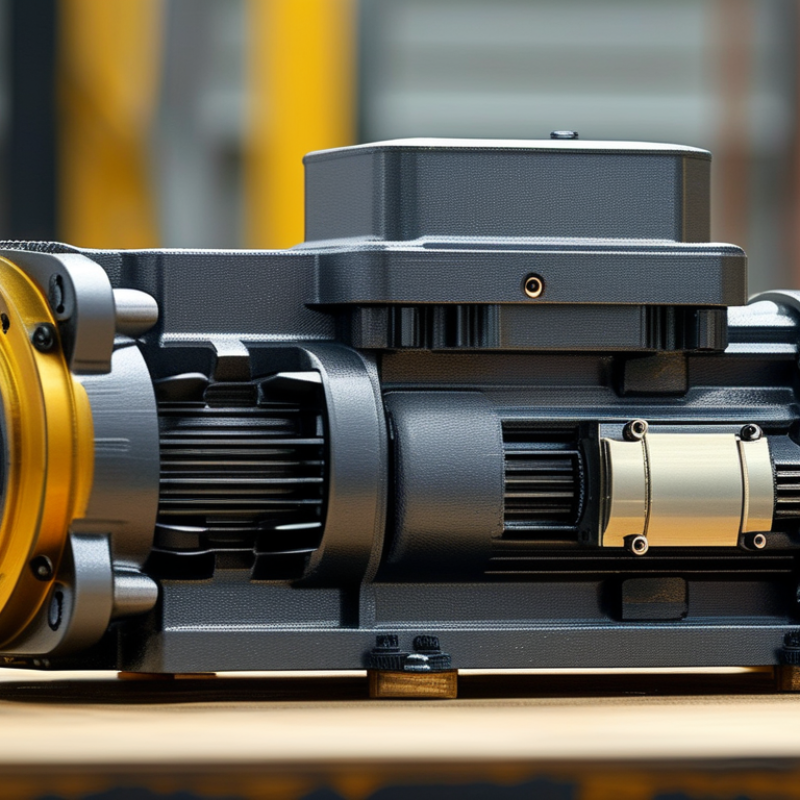
Why Choose a Small Gear Motor for Your Applications?

Benefits of Using Small Gear Motors in Industrial Applications

Small gear motors are increasingly popular in various industrial applications. Their compact size makes them ideal for space-constrained environments. These motors pack significant power into a small package. They enable efficient operation while saving valuable space on your assembly line.

One major benefit of small gear motors is their efficiency. They can convert electrical energy into mechanical output effectively. Many industries require precise speed control and higher torque. Small gear motors meet these demands consistently. They offer a reliable solution for various applications, such as robotics, conveyors, and automation systems.

**Tips:** When selecting a small gear motor, consider the required load and speed. Choosing the right specifications will improve performance. Additionally, assess the environmental conditions where the motor will be used. Look for motors that can withstand heat, moisture, or dust.

Another advantage of small gear motors is their versatility. They can be integrated into many systems without major modifications. Their ability to work well at different speeds adds to their appeal. However, finding the right fit can take time. It’s crucial to evaluate multiple options before making a decision. This process often reveals potential improvements and optimizations.

Benefits of Using Small Gear Motors in Industrial Applications

Efficiency Ratings of Small Gear Motors Compared to Larger Alternatives

Small gear motors are increasingly popular in various applications due to their efficiency ratings. When compared to larger alternatives, small gear motors often stand out. Their compact design allows them to fit into tighter spaces. This is especially beneficial in applications where size constraints are critical. For example, in automated systems or robotics, every inch counts.

Efficiency ratings of small gear motors can be surprisingly high. They typically provide enough torque for demanding tasks without wasting energy. This means that even small motors can outperform larger ones in terms of energy consumption. In many cases, they convert power more effectively. Users may notice notable savings on energy costs. It’s essential to evaluate the operational environment to maximize these benefits.

However, not all small gear motors are the same. Factors like load requirements and application specifics can affect efficiency. It’s crucial to select the right type for your needs. Sometimes, compromises must be made regarding power versus size. Reflecting on these choices is essential for achieving optimal performance.

Common Applications and Use Cases for Small Gear Motors

Small gear motors are versatile components used in various industries. These motors often power everyday applications, from robotics to medical devices. According to a recent industry report, the global market for small gear motors is expected to grow by 7.5% annually, reaching $8 billion by 2026. This surge reflects the increasing demand for compact, efficient solutions in automation and transportation.

In robotics, small gear motors are critical. They provide precise control and torque for movement and articulation. Medical equipment also relies on their reliability. Small gear motors enable functions like patient bed adjustments and surgical tools. Another common application is in consumer electronics. These motors drive mechanisms in devices like cameras and game controllers, showcasing their importance in modern technology.

Tip: When selecting a small gear motor, consider the torque and speed requirements of your application. A mismatch could lead to performance issues, impacting overall functionality.

Challenge your designs. Often, engineers overlook integration possibilities that small gear motors can offer. This oversight can hinder innovation. Exploring various configurations can yield better solutions.

In summary, small gear motors play an essential role across multiple applications. Recognizing their importance can unlock new potentials in various fields.

Cost Analysis: Small Gear Motors Versus Traditional Motor Solutions

When evaluating small gear motors versus traditional motor solutions, cost analysis becomes crucial. Small gear motors typically offer lower upfront costs. They are compact and lightweight, making them easier to install. This can reduce labor costs in various applications. Traditional motors, on the other hand, may require additional components like gears, which add to the overall expense.

Energy efficiency is another area worth considering. Small gear motors can operate effectively at lower voltages. This translates to lower energy consumption and operational costs over time. However, it’s important to note that their power output can sometimes be limited compared to traditional motors. Each application has unique requirements. Understanding these specifics aids in making an informed decision.

In some cases, small gear motors may also face durability concerns. The smaller size can lead to increased wear and tear. Regular maintenance is vital, which adds to costs. Users must balance initial savings with potential long-term expenses. Understanding the trade-offs will help in choosing the right option for your needs. Every situation is different, and what works for one may not work for another.

Trends in Small Gear Motor Technology and Market Demand Statistics

The demand for small gear motors is on the rise, driven by advancements in technology and changing market needs. According to a recent market analysis, the global small gear motor market is expected to grow at a CAGR of 7.5% over the next five years. This growth is largely attributed to the increased demand in industries such as robotics and automation.

In particular, energy efficiency has become a focal point. Reports show that nearly 30% of manufacturers are prioritizing energy-efficient solutions as a response to rising costs and environmental concerns. The miniaturization of mechanical designs also leads to a need for smaller gear motors. Many companies are finding they can reduce space and weight in their products by using compact yet powerful small gear motors.

However, challenges persist. Quality control remains a critical issue, with reports indicating that nearly 15% of small gear motors fail during their initial testing phases. This raises questions about materials and manufacturing processes. As engineers and designers strive for enhanced functionalities, strict quality standards must be adhered to, ensuring reliability in high-performance applications. These evolving trends show that while the market for small gear motors is promising, there is much room for improvement in manufacturing practices.

FAQS

: What are small gear motors commonly used for?

: Small gear motors are used in robotics, medical devices, and consumer electronics. They enable movement and precise control.

Why is it important to select the right small gear motor?

Selecting the right motor is crucial for meeting torque and speed requirements. A mismatch can affect performance.

How do small gear motors compare in cost to traditional motors?

Small gear motors usually have lower upfront costs. They are compact and lightweight, reducing installation expenses.

What energy efficiency advantages do small gear motors have?

Small gear motors operate effectively at lower voltages, leading to reduced energy consumption and lower operational costs.

Are there durability concerns with small gear motors?

Yes, their smaller size can lead to increased wear and tear. Regular maintenance is necessary to address durability issues.

How can engineers enhance their designs with small gear motors?

Engineers should consider integration possibilities. Overlooking these can hinder innovation and limit potential applications.

What trade-offs should users consider with small gear motors?

Users must balance initial savings against long-term maintenance costs. Every application has unique requirements to evaluate.

Can small gear motors be used in consumer electronics?

Yes, they drive mechanisms in devices like cameras and game controllers, showcasing their versatility in technology.

What should users keep in mind when choosing small gear motors?

Consider both performance needs and cost implications. Not all motors fit every application perfectly; multiple factors matter.

Is it common to overlook the benefits of small gear motors?

Yes, many engineers miss integration benefits. Exploring various configurations can lead to better, innovative solutions.

Conclusion

Small gear motors are increasingly favored in various industrial applications due to their compact size and high efficiency. They provide essential benefits such as reduced weight and space requirements, which are crucial for optimizing equipment design. Additionally, small gear motors demonstrate impressive efficiency ratings when compared to larger alternatives, making them a cost-effective choice for many industries.

These motors find applications across a range of sectors, including robotics, automotive, and manufacturing, where precision and reliability are paramount. A cost analysis reveals that small gear motors often outperform traditional motor solutions in terms of both initial investment and long-term operational costs. With ongoing trends and innovations in small gear motor technology, the market demand continues to rise, reflecting their versatility and effectiveness in modern industrial settings.

Amelia

Amelia

Amelia is a seasoned marketing professional with a wealth of expertise in our company’s core offerings. With an unwavering passion for driving growth and innovation, she plays a pivotal role in shaping our marketing strategies and enhancing brand visibility. A key aspect of her responsibilities......